From the Novus Vault
- Mar 26
- 2 min read
Updated: Apr 2
For nearly two decades, we’ve been building the world’s most extensive interoperability library—collecting some remarkable devices along the way. Now, we’re unlocking the ‘Device Vault’ to share them with you.
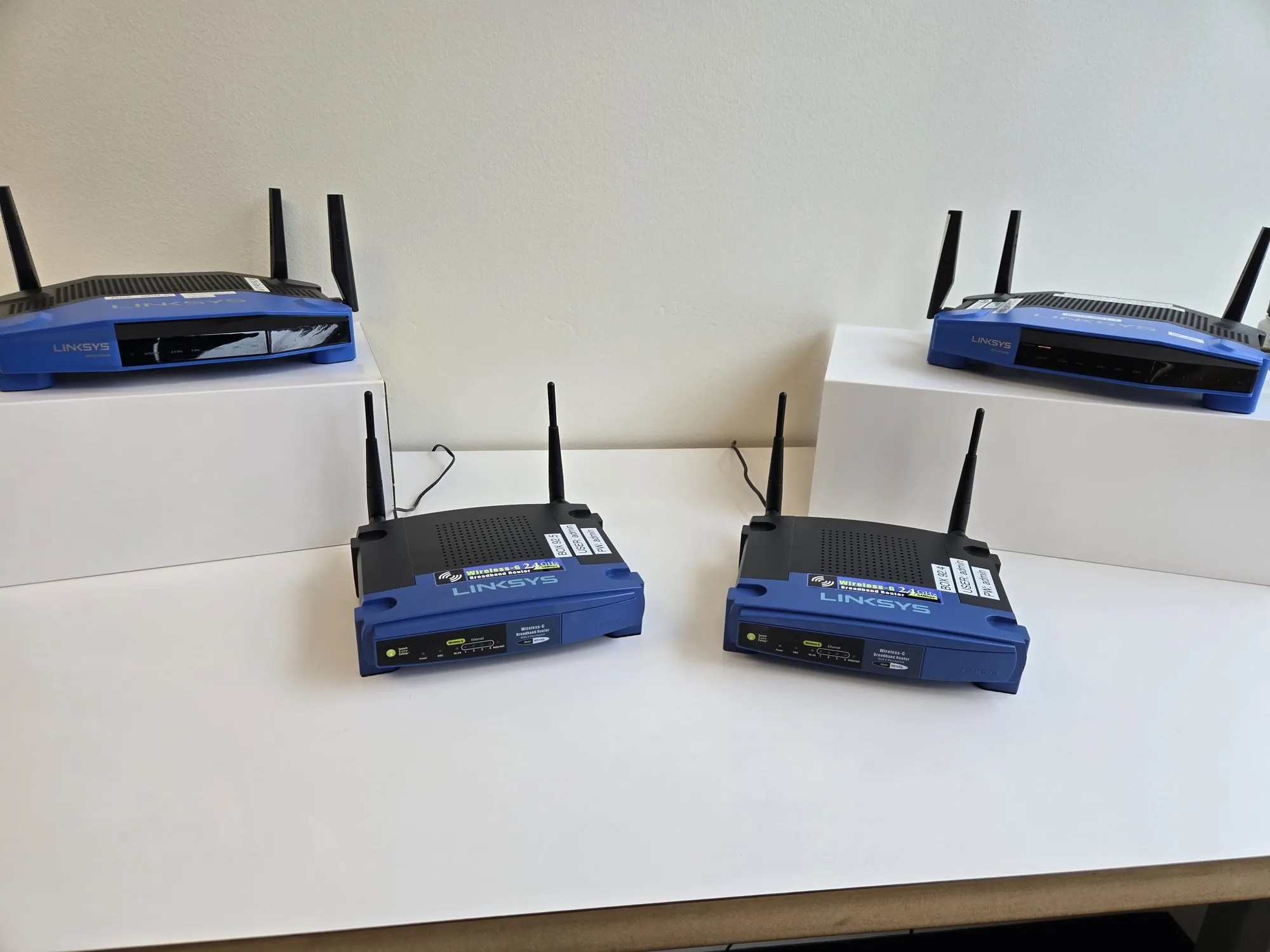
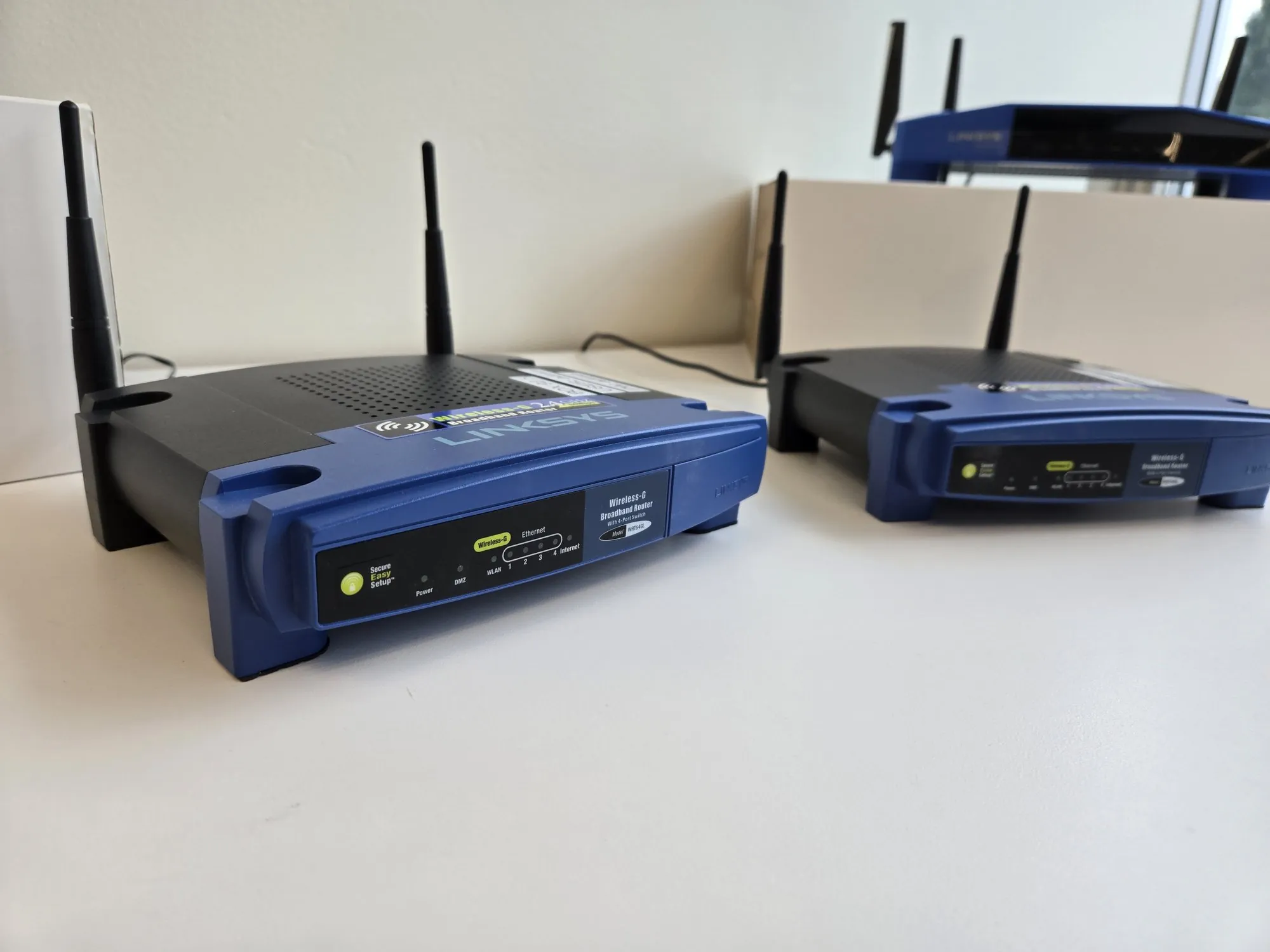
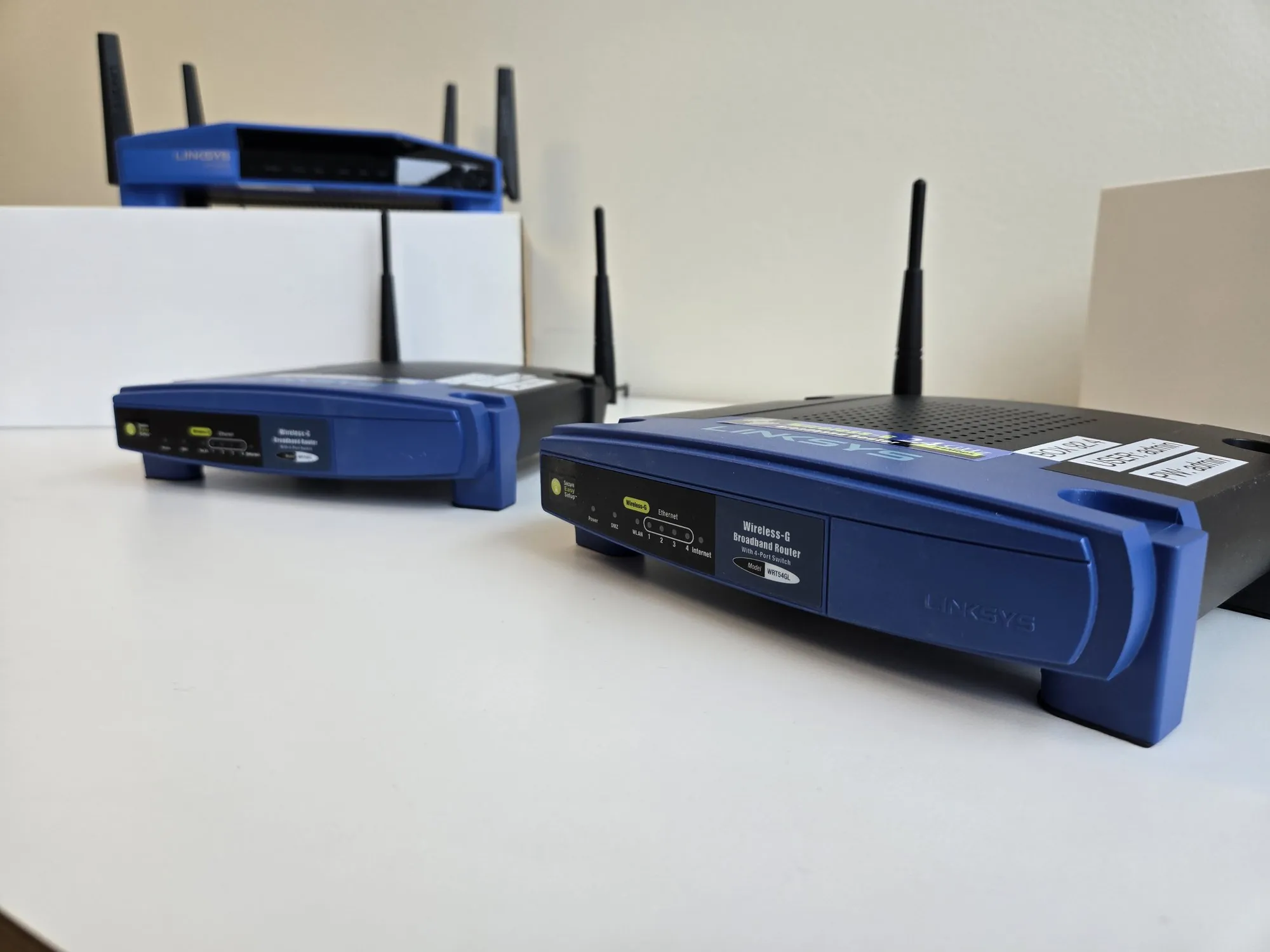
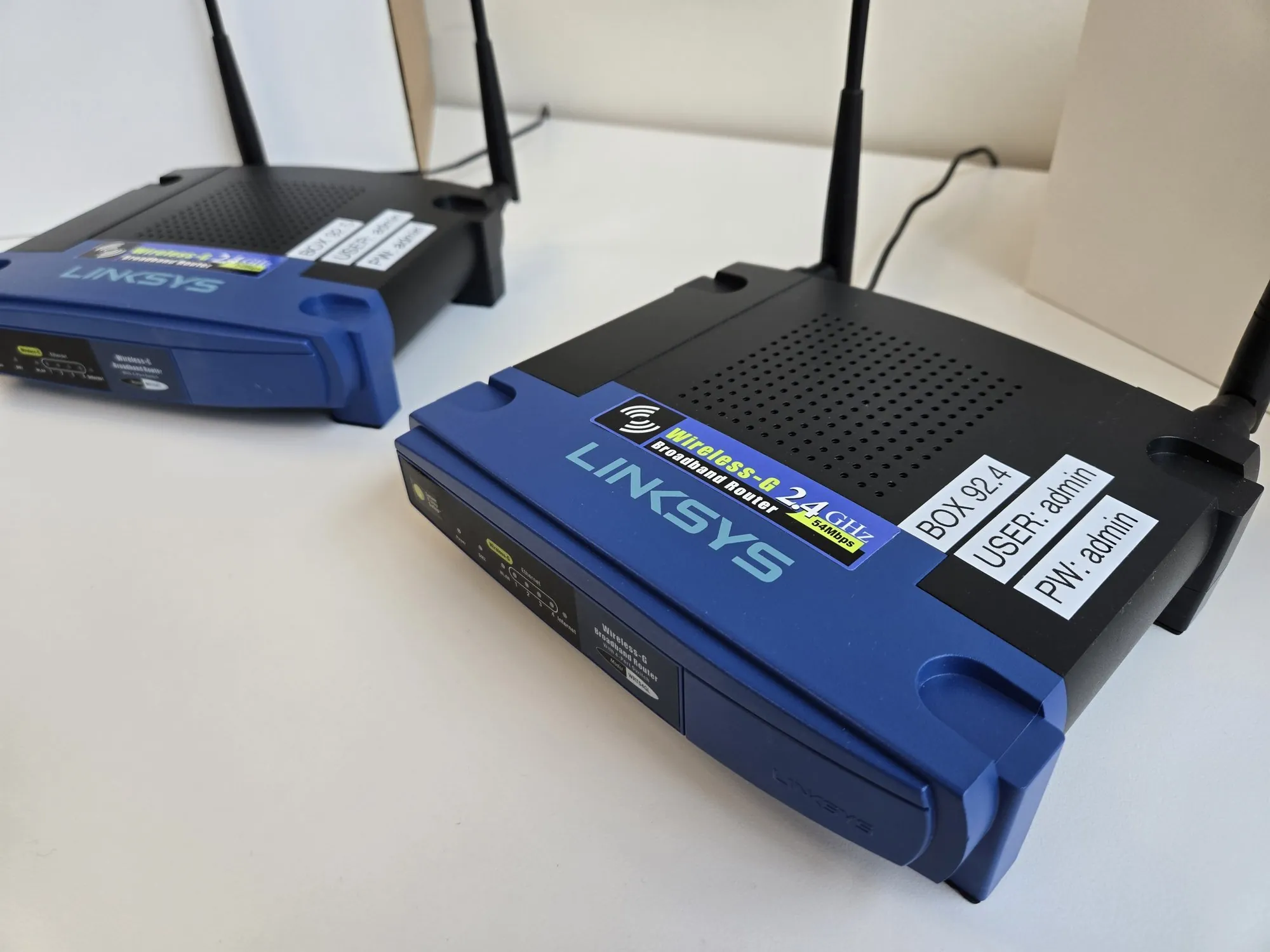
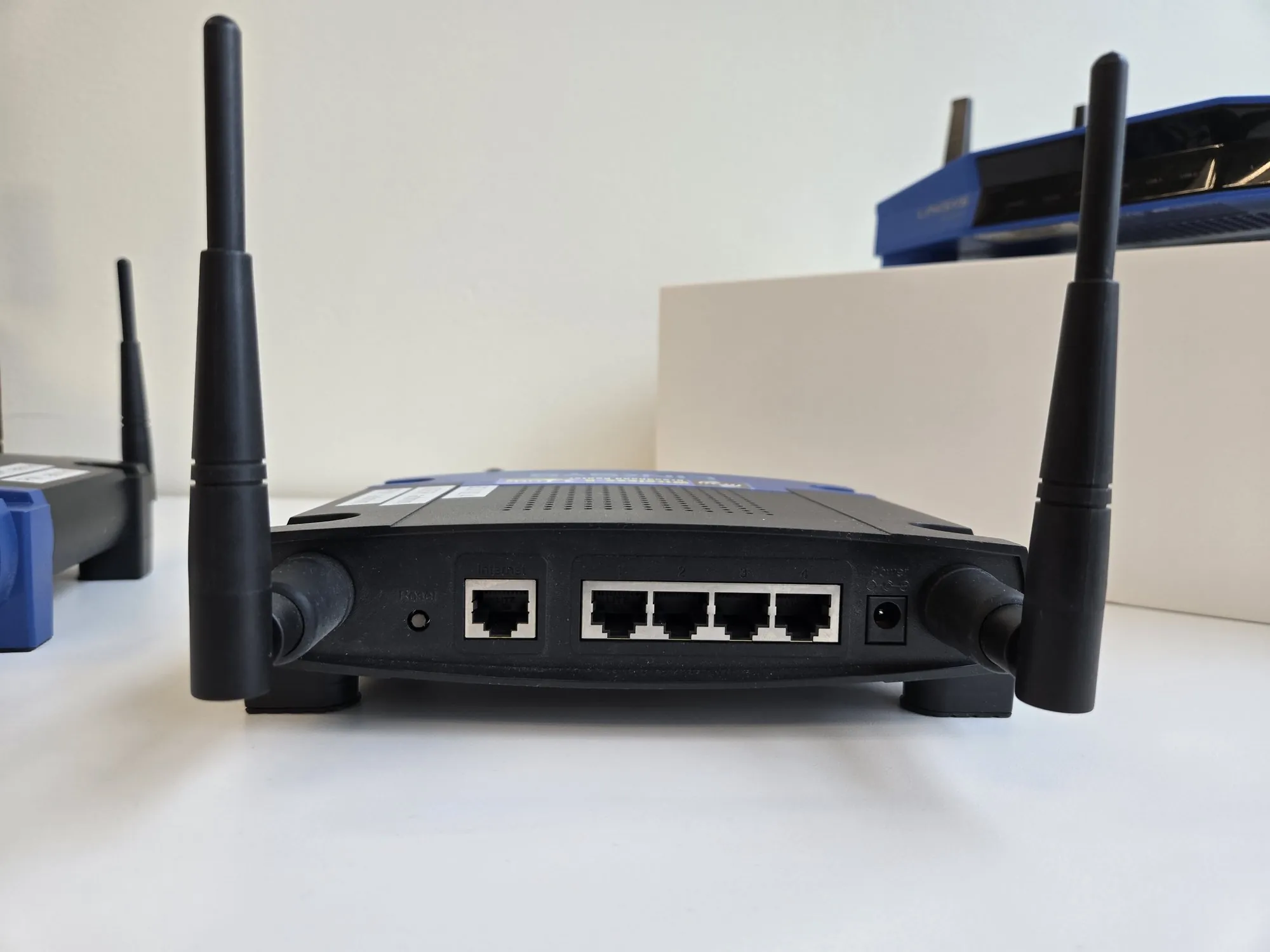
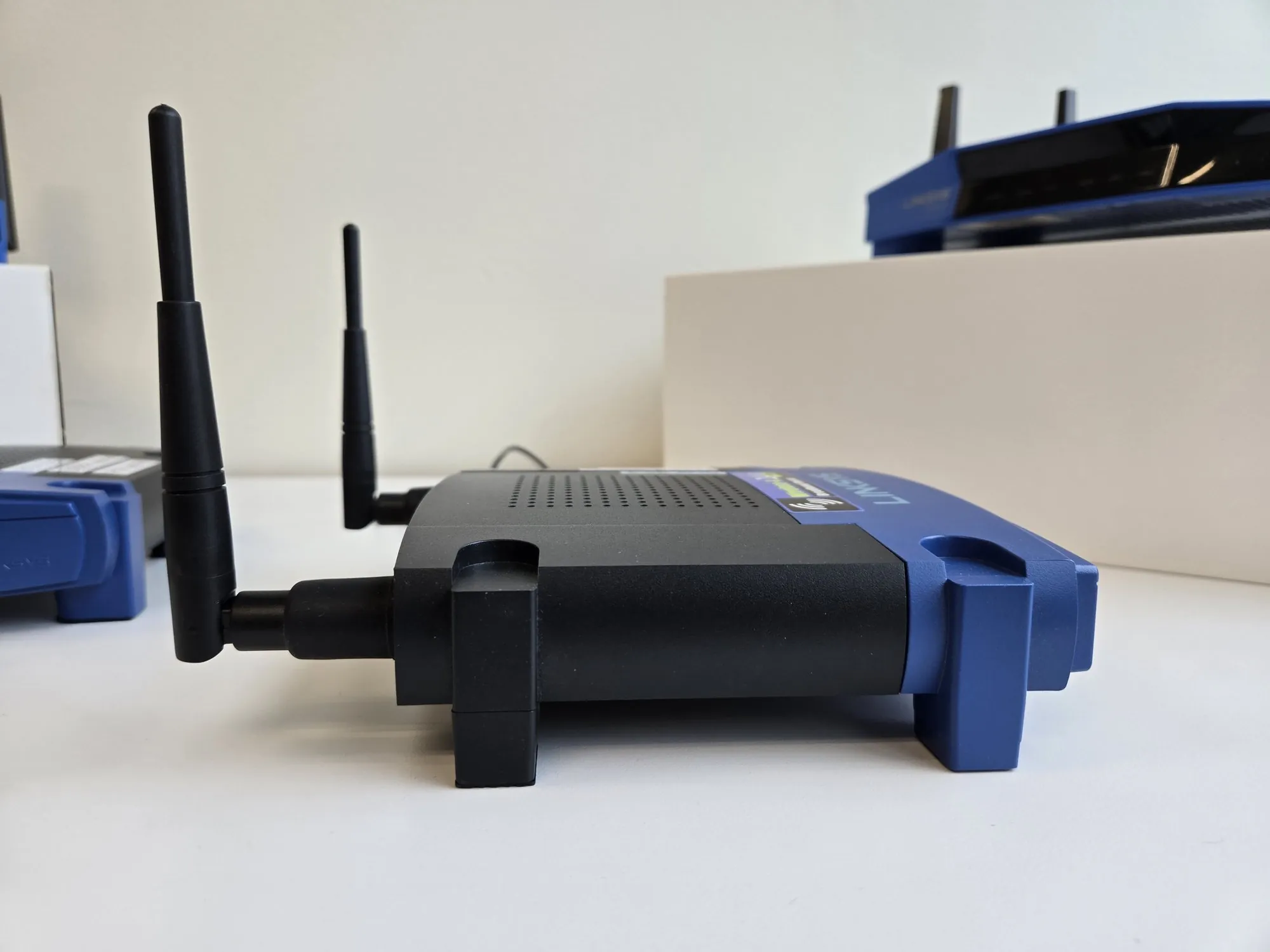
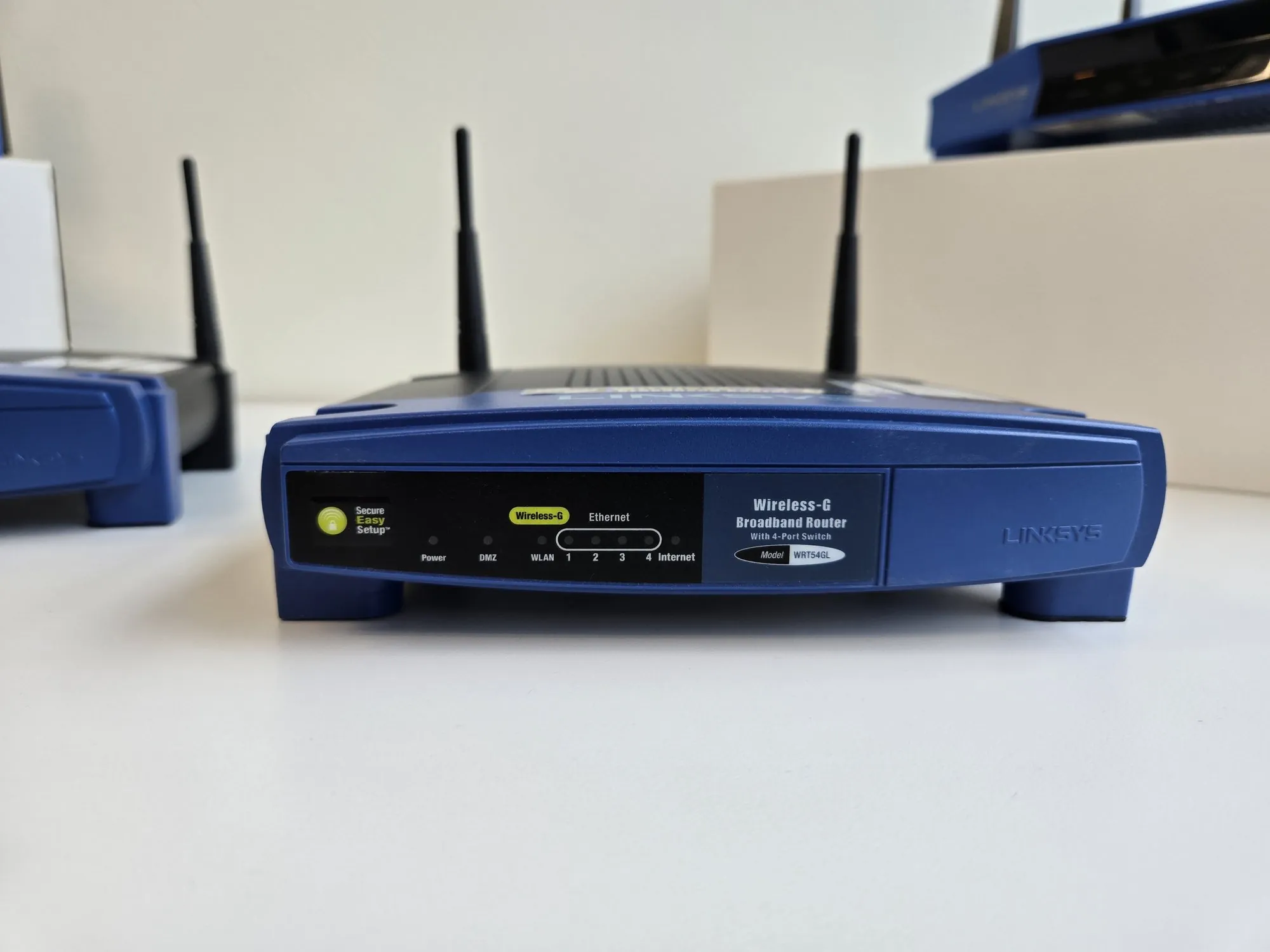
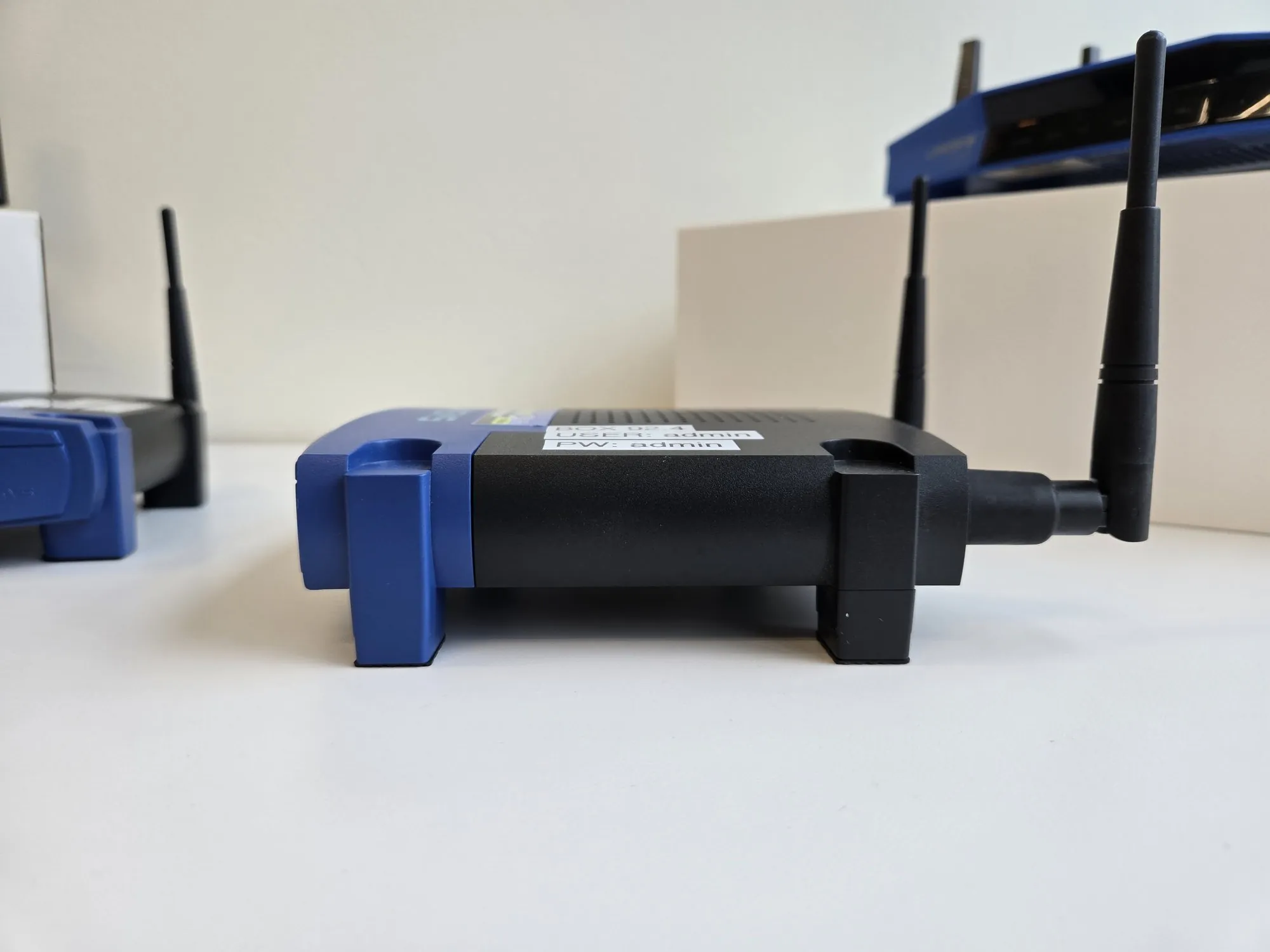
𝐓𝐡𝐢𝐬 𝐰𝐞𝐞𝐤’𝐬 𝐟𝐞𝐚𝐭𝐮𝐫𝐞: 𝐭𝐡𝐞 𝐂𝐢𝐬𝐜𝐨/𝐋𝐢𝐧𝐤𝐬𝐲𝐬 𝐖𝐑𝐓𝟓𝟒𝐆 — an iconic router that helped define the early days of home networking.
FEATURED THIS WEEK: Cisco/Linksys WRT54G.
RELEASE DATE: December 2002
Highlights
The Linksys WRT54G Wi-Fi series is a series of Wi-Fi–capable residential gateways marketed by Linksys, a subsidiary of Cisco, from 2003 until acquired by Belkin in 2013
Long-running, popular router series that helped spawn some of the most popular third-party firmwares such as DD-WRT, Tomato, and OpenWrt.
No less than 17 different versions of the original WRT54G model were released over the years. These version changes included both firmware and hardware updates across the lifetime of the product.
The many different versions of the WRT54G included changes in Broadcom/Atheros chipsets, RAM capacity, and antennas.
Interoperability story
The WRT54G product line, with its many versions and generations, is an excellent example of the importance of interoperability testing both for manufacturers developing wireless networking infrastructure and those developing the client devices that connect to them. On the networking side, the many hardware and firmware changes implemented over the product’s lifecycle showcase how Cisco adapted and reacted to issues being reported by users in the field, seeking to continue to improve performance across the long product lifetime. Meanwhile, for companies releasing wireless client devices, it’s essential to ensure that the client device communicates effectively with all the different versions of these highly popular access points to help identify connectivity issues before production release.