From the Novus Vault

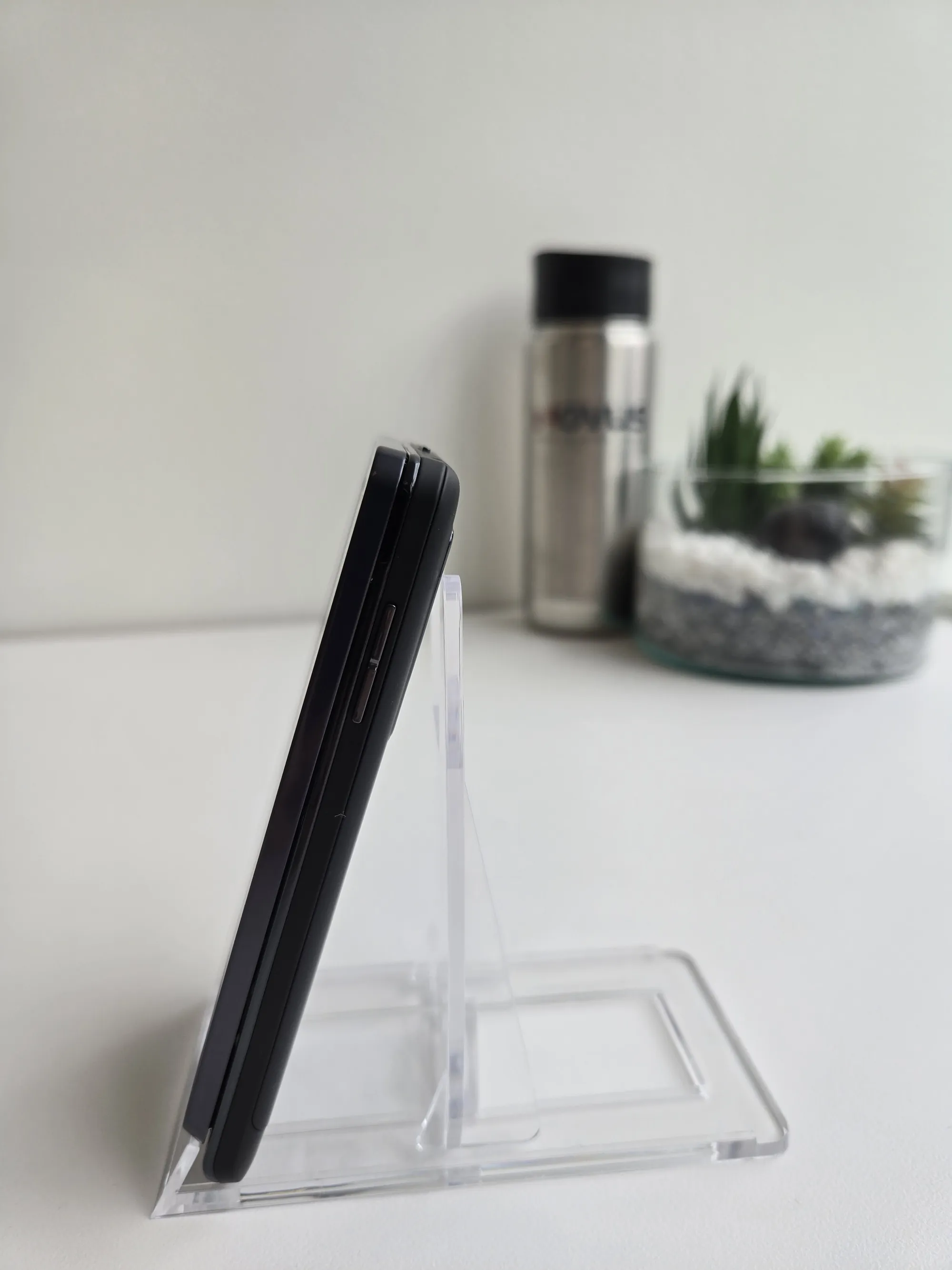
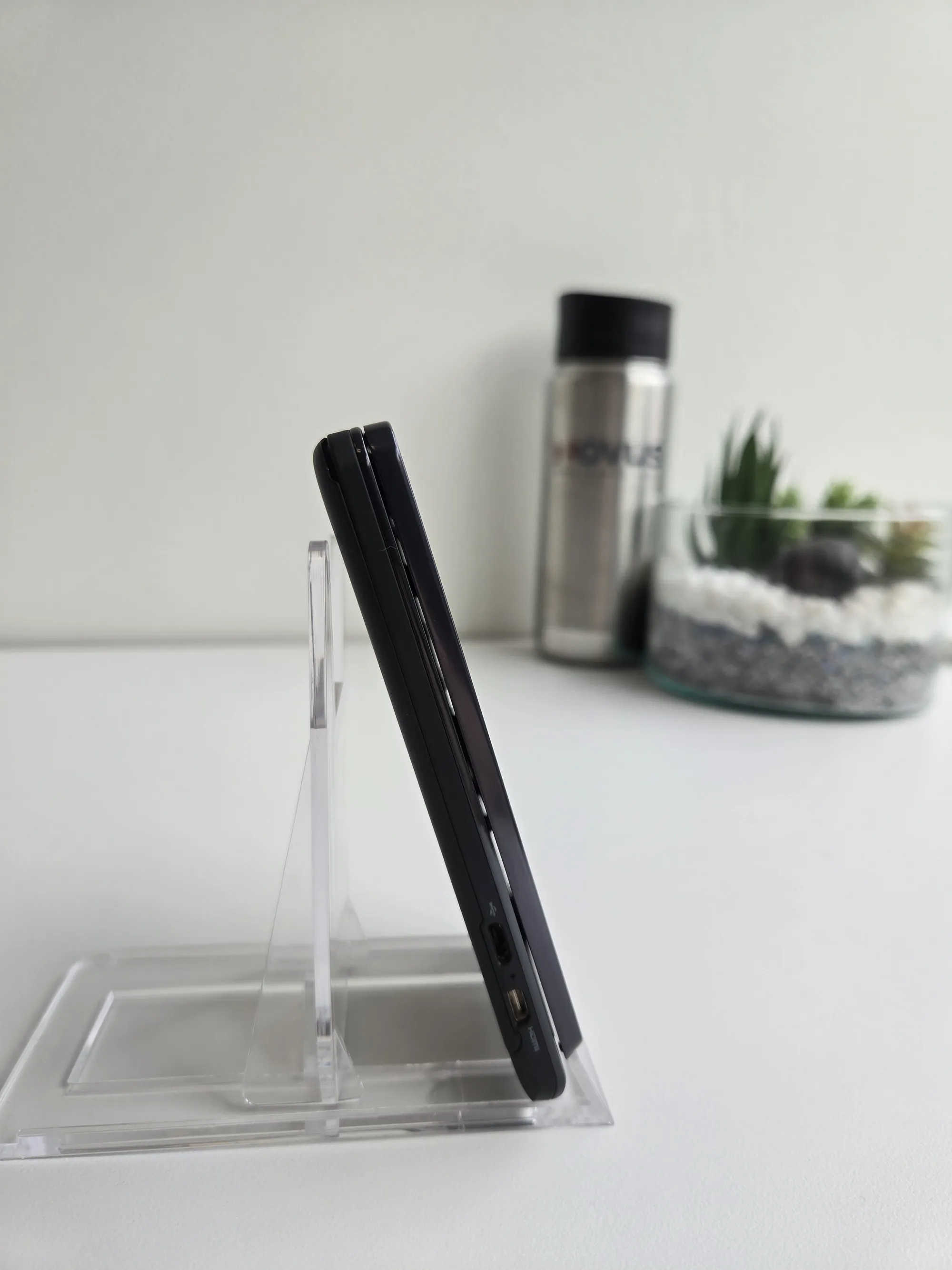
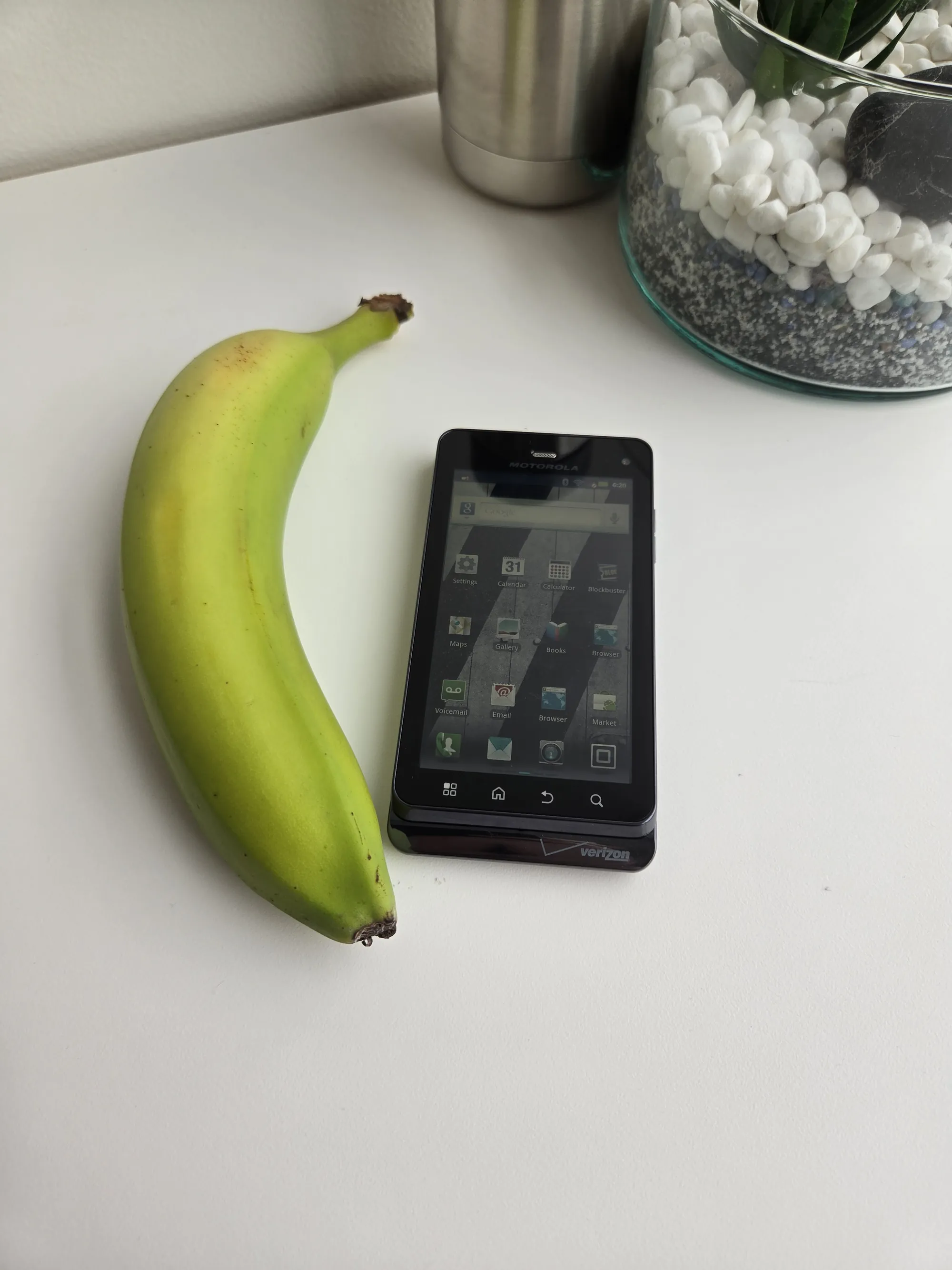
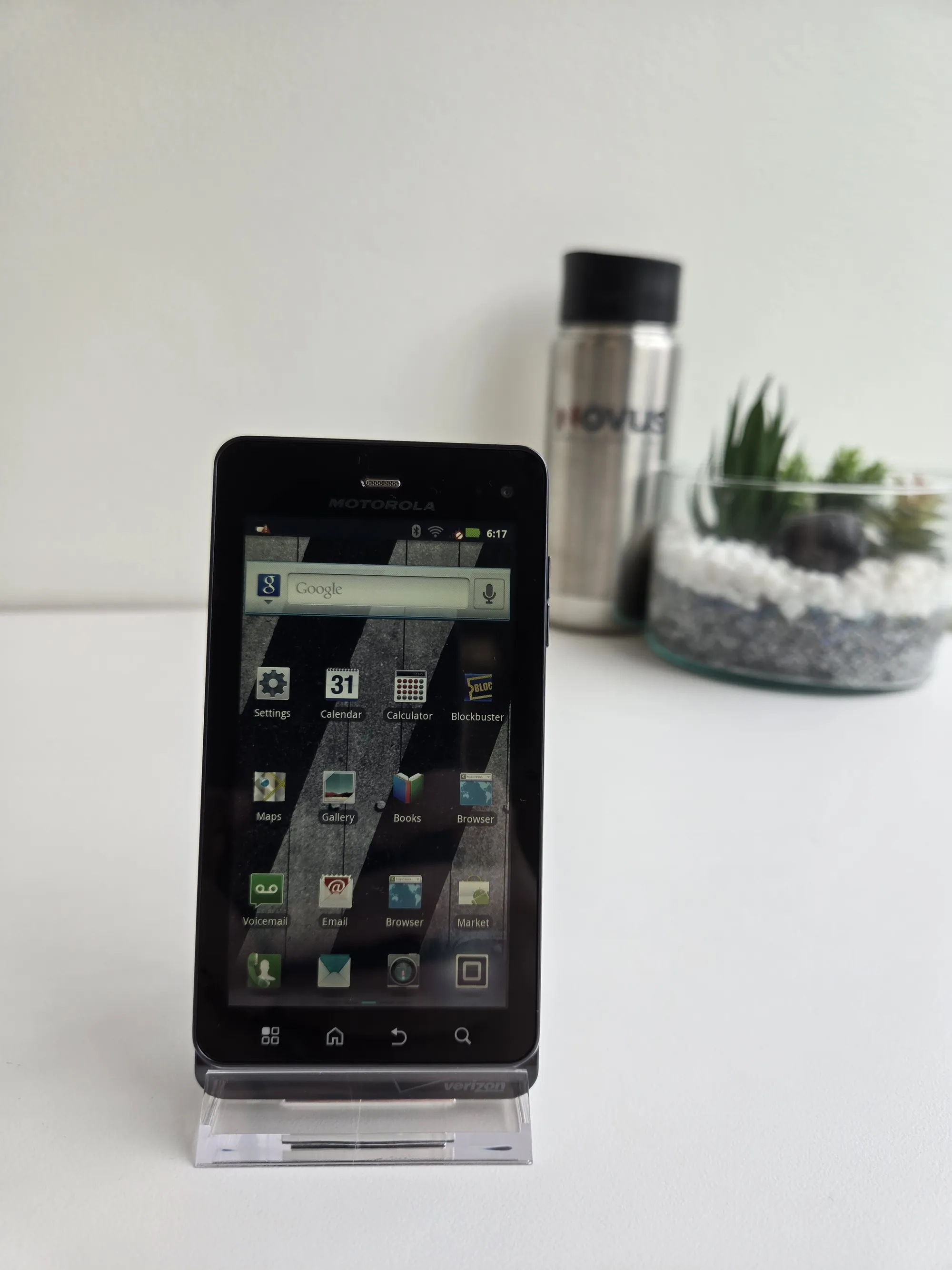
Motorola Droid 3

A fan-favorite Android slider that paired a full physical QWERTY keyboard with dual-core performance — a productivity powerhouse for users who still wanted speed, precision, and tactile control.

Back to Blog

From the Novus Vault: Motorola Droid 3

For nearly two decades, Novus Labs has been building one of the world's most extensive interoperability libraries, collecting unforgettable devices along the way. This week we open the Device Vault to revisit the Motorola Droid 3 — a fan-favorite Android slider that combined a full physical QWERTY keyboard with dual-core performance and global roaming.

At a time when touchscreen-only smartphones were taking over, the Droid 3 stood out as a productivity powerhouse built for users who still wanted speed, precision, and tactile control. Released July 14, 2011, it carried Motorola's Droid pedigree into the dual-core era with a slide-out five-row keyboard, a 4-inch qHD display, and an 8 MP camera with 1080p video — surprisingly strong specs for a keyboard phone.
Highlights

  • Slide-out 5-row QWERTY keyboard with a dedicated number row
  • 4-inch qHD display and 8 MP camera with 1080p video — strong specs for a keyboard phone
  • Dual-mode radios (varied by market) in a business / power-user-friendly form factor

Key Specifications

  • 4.0-inch TFT LCD display (540 × 960, qHD)
  • Texas Instruments OMAP 4430 chipset (dual-core)
  • Android 2.3.4 (Gingerbread)
  • 123.3 × 64.1 × 12.9 mm, 184 g
  • Released July 14, 2011

Significance

The Droid 3 marked a high point for the QWERTY-slider smartphone, proving that physical keyboards still had a devoted audience even as the industry pivoted decisively to all-touch designs. For our interoperability work it remains a valuable reference for testing tactile-input hardware and slider mechanisms against modern expectations.

About the Device Vault

Novus Labs has been building one of the industry's most extensive interoperability libraries since 2008. Our collection spans thousands of devices across wireless access points, phones, tablets, AV equipment, and smart home products — including vintage devices that help us test real-world backward compatibility scenarios.

Learn more about our interoperability services and Interop Device Library.

Take on Interop with Confidence.

Connect with us today to start tackling your interoperability challenges.