
Interoperability
We leverage our extensive device library and our knowledge across multiple technical domains to ensure that your product works well with third-party devices and ecosystems.
Talk to an EngineerWhat Is Interoperability Testing?
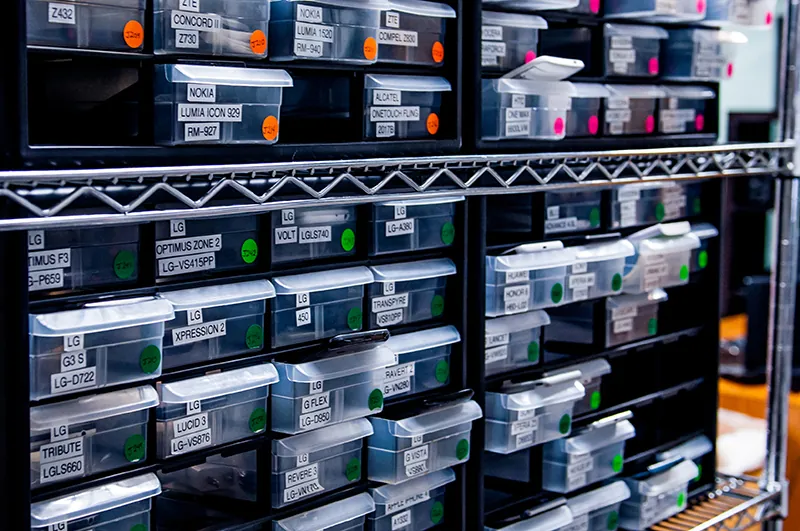
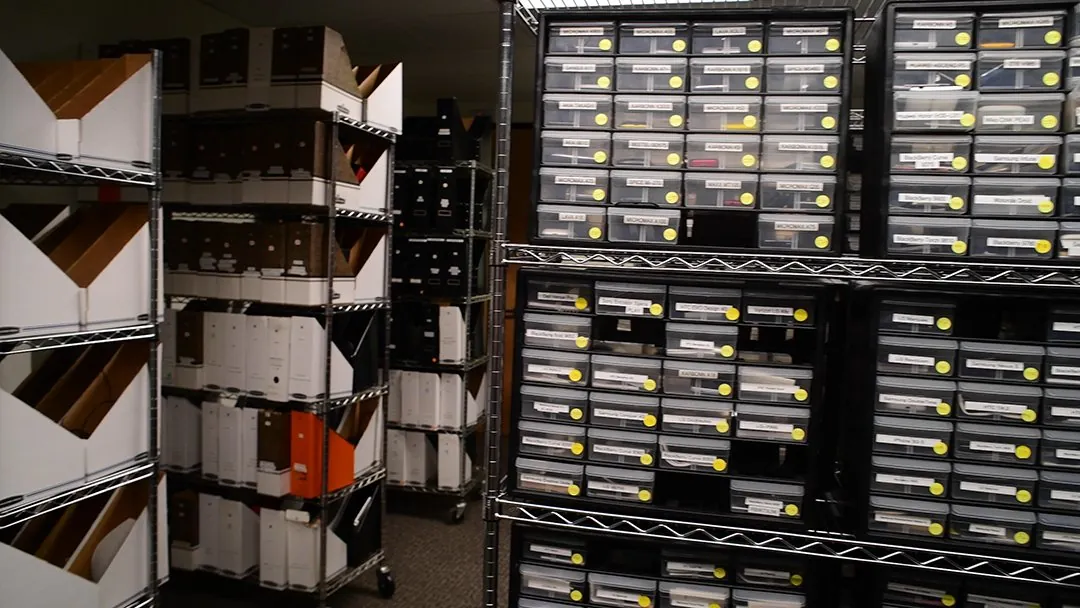
Novus Labs is an interoperability testing lab that proves your device works with the products your customers already own. We validate real-world performance across Wi-Fi, Bluetooth, Thread, and Matter, plus smart home ecosystems, displays, USB, and automotive, backed by one of the industry's largest interoperability device libraries, 6,000+ devices in all.
Meeting industry standards and government regulations is necessary, but it does not guarantee successful real-world operation. Products can still fail when they leave the lab and reach customer homes, where they must integrate with cross-vendor and legacy devices already in the field.
Interoperability testing closes that gap. We confirm your product operates alongside the devices it will actually encounter, with no degradation in performance, so your customers' expectations are met every time.
Which Ecosystems Do We Test?
From basic to highly complex interoperability scenarios, we have experience creating application-specific and device-specific test cases leveraging our extensive inventory.
- Wi-Fi
- Bluetooth
- 5G, Zigbee, NFC
- UWB, LoRa, Matter
- Mobile app compatibility
- Connectivity
- Power consumption
- Audio & image processing
- HDMI
- DisplayPort
- Thunderbolt
- USB-C
- Peripherals
- Storage devices
- Power delivery
- Type-C certification
- Camera & security
- Entertainment & gaming
- Appliances
- Home automation
- Infotainment
- OBD-II & telematics
- Cameras
- Digital car key (DCK)
- Smartwatches
- Fitness trackers
- Personal assistants
- AR / VR
- Browsers
- Gaming platforms
- Desktop OS
- Mobile OS
6,000+ Devices. One Lab.
Novus Labs maintains an unparalleled device library to support interoperability testing. Our curated collection of latest and legacy devices closes the gap between specification fulfillment and seamless real-world operation.
- 1,600+ wireless access points
- 700+ phones and tablets
- 500+ Bluetooth devices
- 400+ USB devices
- 400+ AV devices (soundbars, speakers, AVRs, streaming, consoles)
- 500+ monitors and displays
- Curated smart home device inventory
What We Evaluate
Beyond basic interoperability, we test the factors that make products succeed (or fail) in the real world.
See How We Test
A look at our interoperability testing process and device library in use.
Interoperability Testing FAQ
How many devices can you test against?
Novus Labs maintains one of the industry's largest interoperability device libraries, 6,000+ devices in all, including 1,600+ wireless access points, 700+ phones and tablets, and 500+ Bluetooth devices. That scale lets us test your product against the real hardware your customers already own. Explore the full interoperability device library.
Do you test Matter and Thread interoperability?
Yes. We test interoperability across Wi-Fi, Bluetooth, Thread, and Matter, plus Zigbee, UWB, and NFC. For smart home and IoT products, that includes ecosystem behavior across the major platforms.
Can you reproduce an interoperability issue we are seeing in the field?
Often, yes. Because the library spans current and legacy devices, we can recreate the specific mix a customer has and reproduce field failures that a small in-house sample would miss, then help you isolate and fix the root cause. For real-home conditions, we pair testing with our real-world validation facilities.
How is interoperability testing different from certification?
Certification confirms your product meets a standard; interoperability testing confirms it actually works alongside the other devices it will meet in the real world. Products can pass certification and still fail in a customer's home, which is the gap interoperability testing closes. See our interoperability assurance program.
Ready to Test Your Product?
Talk to a Novus engineer about your interoperability challenges. We'll help you scope the right test plan against our device library.