From the Novus Vault

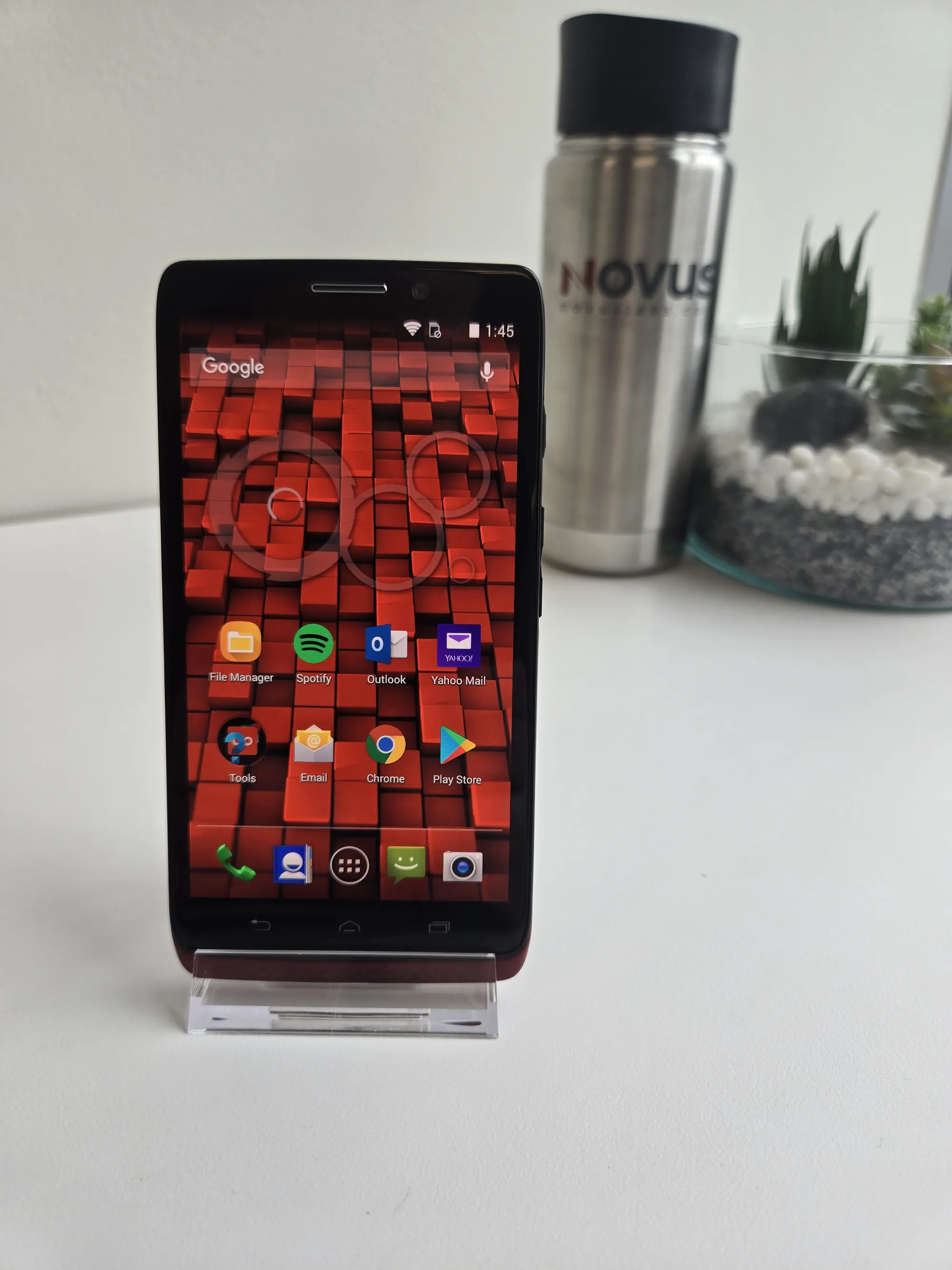
Motorola Droid Ultra

A sleek, Kevlar-backed 2013 Verizon smartphone that emphasized durability and lightweight design — and introduced the Motorola X8 Mobile Computing System with always-on voice and contextual sensing.

Back to Blog

From the Novus Vault: Motorola Droid Ultra

For nearly two decades, Novus Labs has been constructing an extensive interoperability library and collecting remarkable devices. This week we revisit the Motorola Droid Ultra — a sleek, Kevlar-backed Verizon flagship that emphasized durability, lightweight design, voice control, and efficient performance.

Announced July 23, 2013 alongside the Droid Maxx and Droid Mini, the Motorola Droid Ultra hit Verizon shelves on August 20, 2013. Its standout move was the Motorola X8 Mobile Computing System — a Qualcomm Snapdragon S4 Pro paired with custom contextual-computing and natural-language cores that powered Touchless Control ("OK Google Now") and Active Notifications without burning the battery.
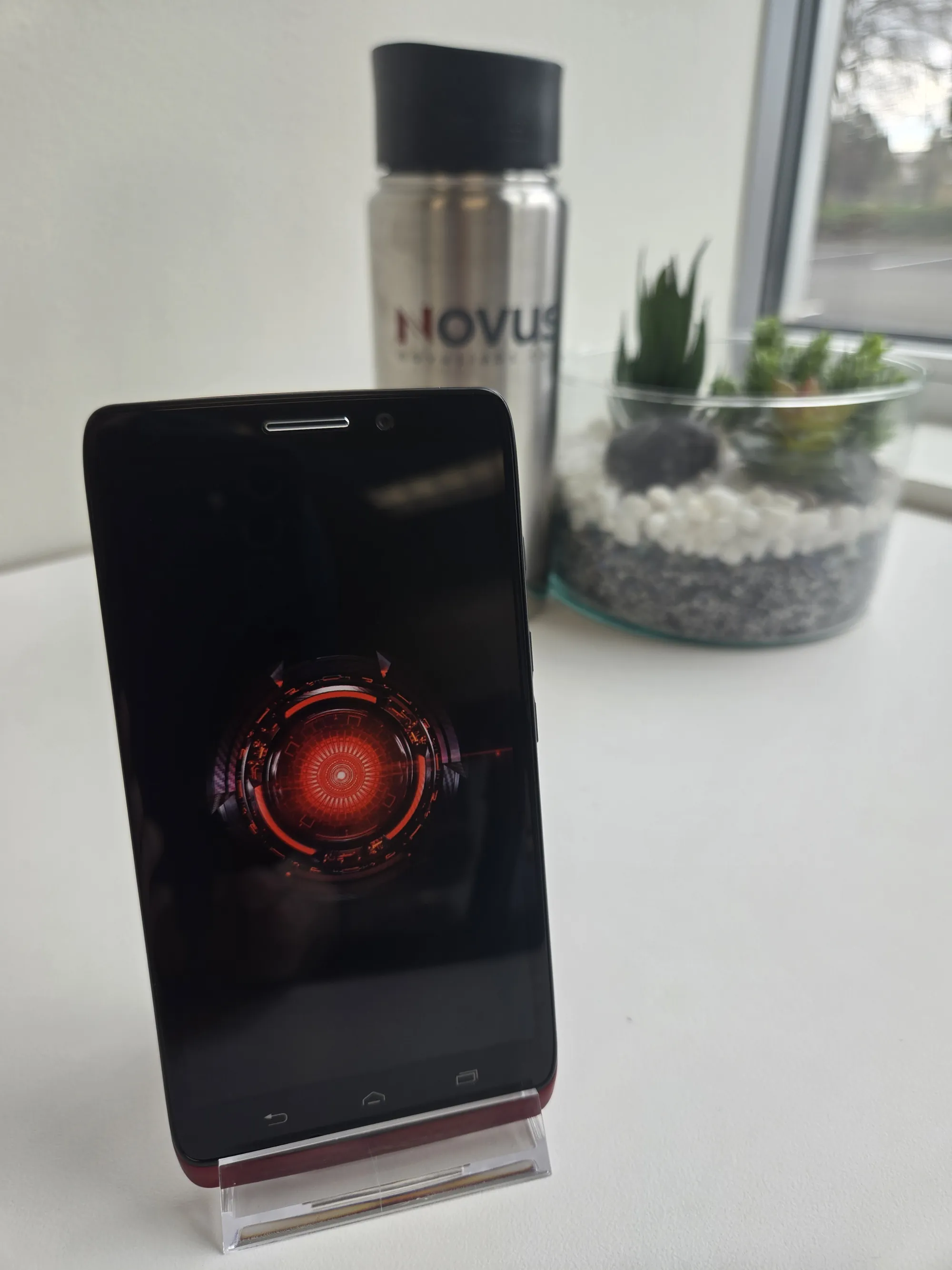
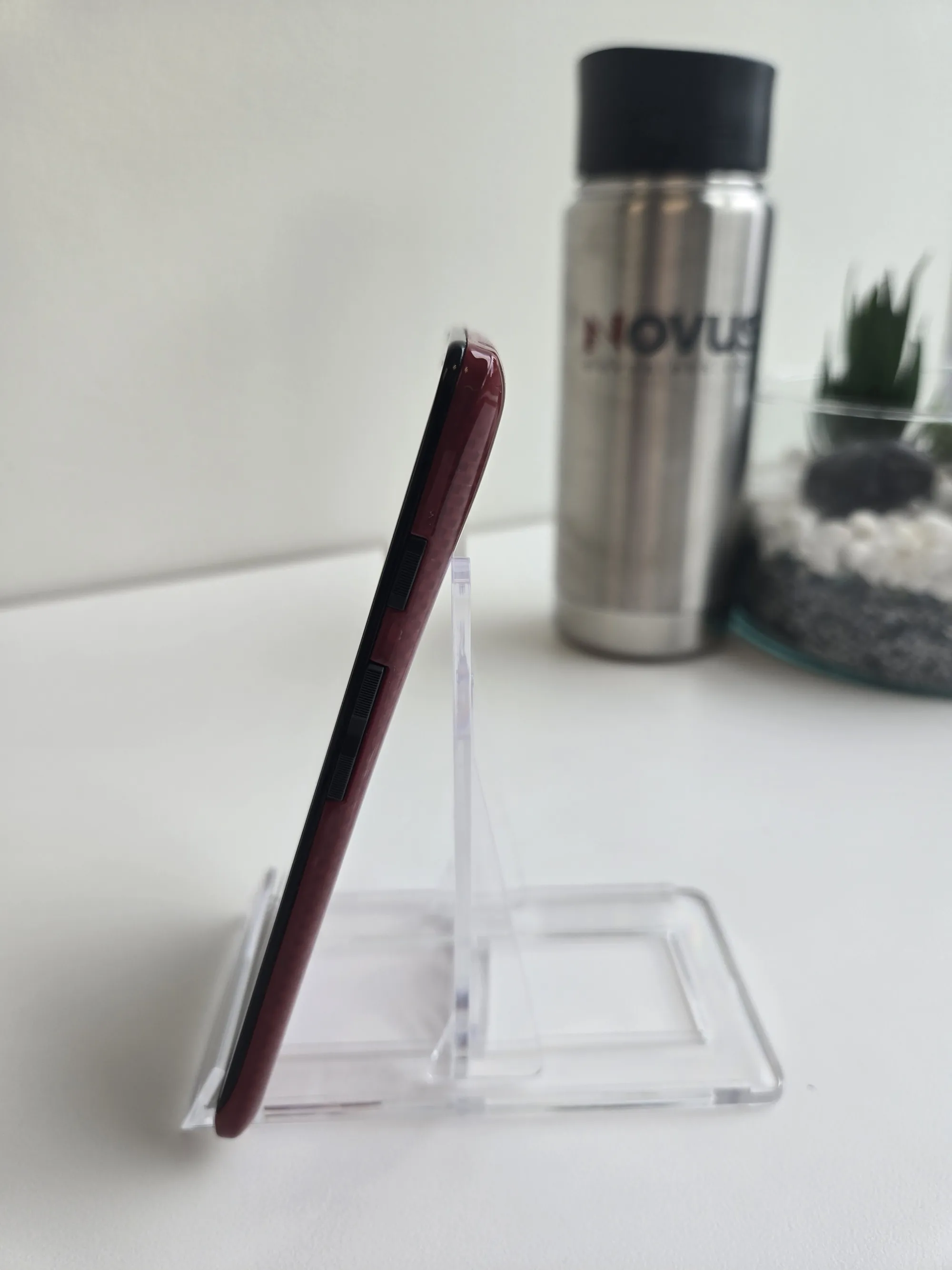
Highlights

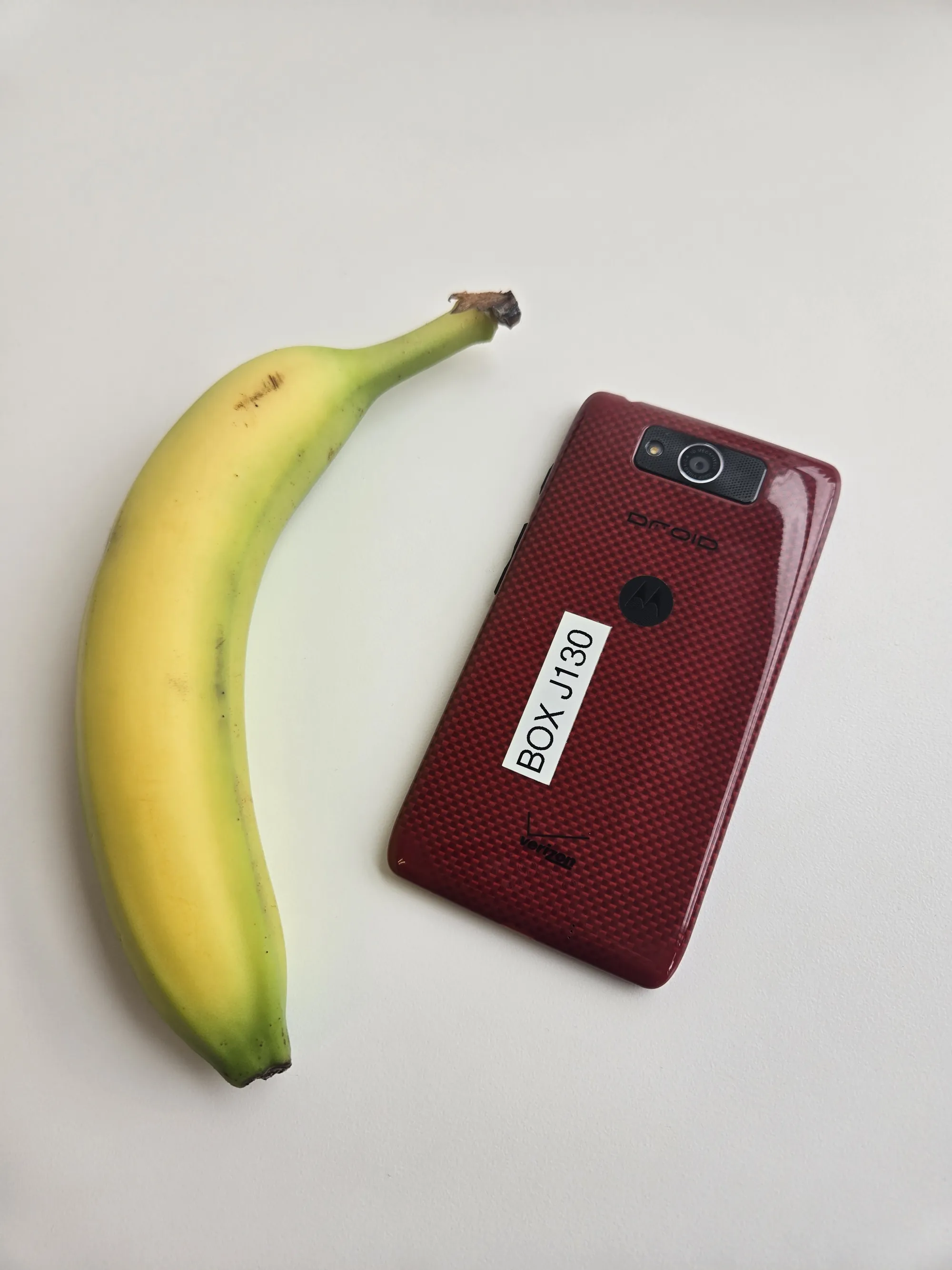
  • Kevlar-fiber back — signature Motorola Droid material
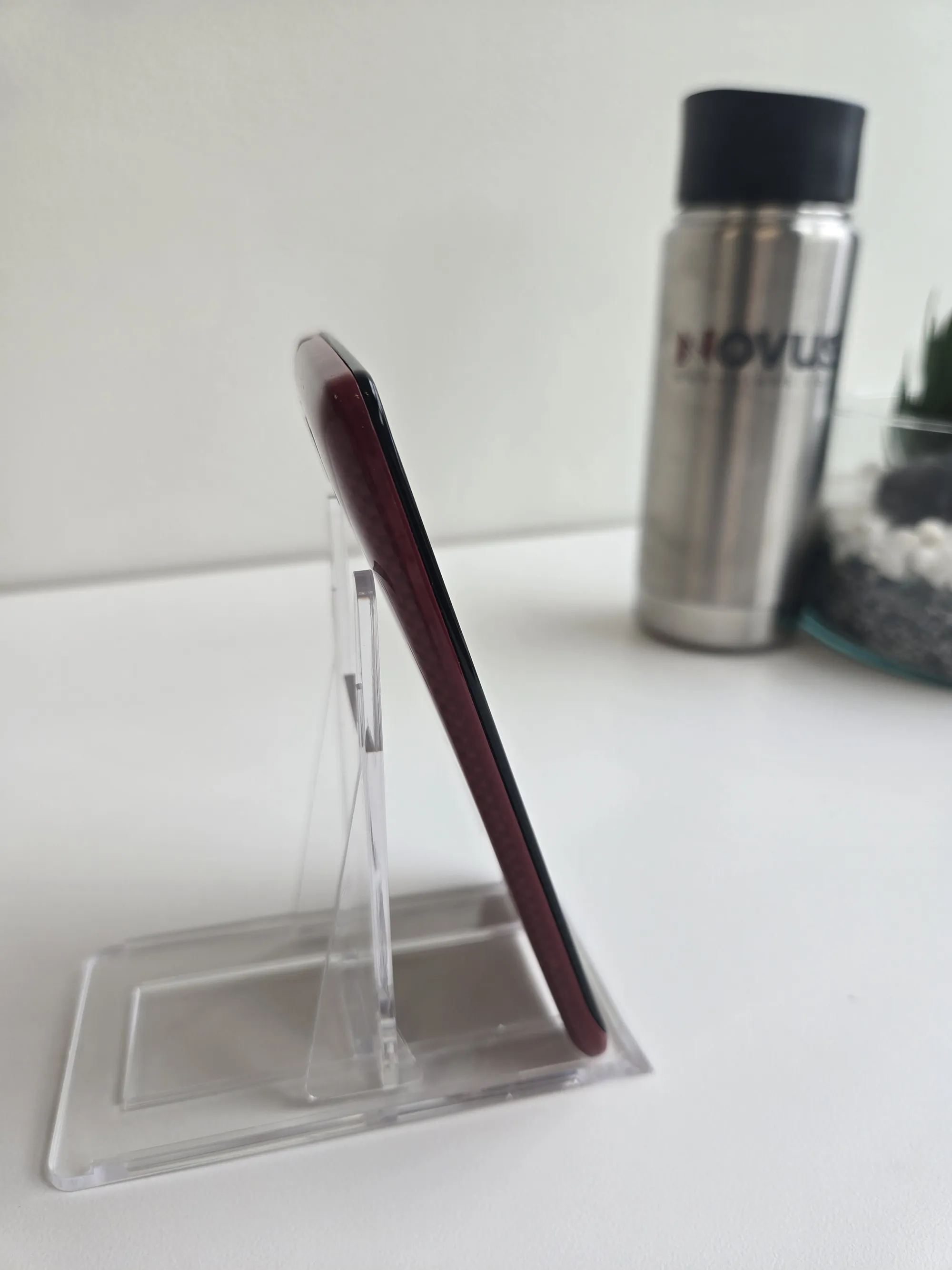
  • Slim 7.2 mm body at just 137 g
  • Motorola X8 Mobile Computing System — Snapdragon S4 Pro plus custom contextual and natural-language cores
  • Touchless Control ("OK Google Now") with always-on voice activation
  • Active Notifications surfaced glanceable info on the AMOLED without waking the full screen
  • Part of the 2013 Droid trio (Ultra, Maxx, Mini) announced July 23, 2013

Key Specifications

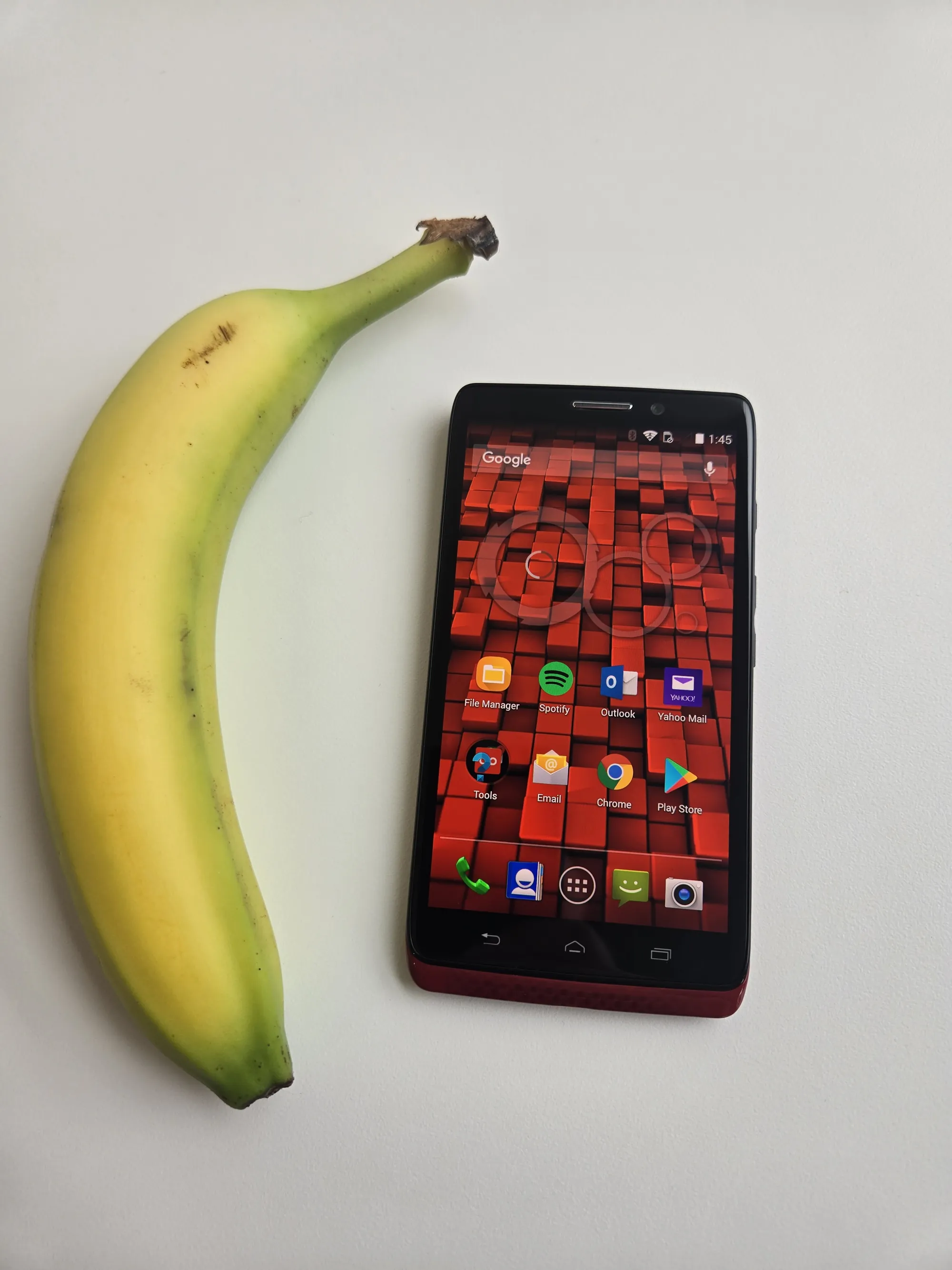
  • 5.0-inch Super AMOLED display (720 × 1280)
  • Motorola X8 / Qualcomm Snapdragon S4 Pro MSM8960DT chipset
  • Android 4.2.2 (Jelly Bean)
  • Wi-Fi 802.11 a/b/g/n/ac dual-band, Bluetooth 4.0
  • 137.5 × 71.2 × 7.2 mm, 137 g
  • Announced July 23, 2013 · Released August 20, 2013

Significance

The Droid Ultra arrived right as always-on voice and ambient sensing were becoming flagship features. Motorola's answer was architectural: rather than burning the application processor on listening tasks, the X8 system delegated wake-word detection and sensor fusion to dedicated cores — an approach that prefigured today's neural processing units and AI accelerators on mobile silicon.

Combined with the Kevlar back, the slim 7.2 mm frame, and one of the first AMOLED Active Notification implementations, the Droid Ultra captured a transitional moment in mobile design: when phones started thinking ambiently about their environment instead of waiting for taps.

About the Device Vault

Novus Labs has been building one of the industry's most extensive interoperability libraries since 2008. Our collection spans thousands of devices across wireless access points, phones, tablets, AV equipment, and smart home products — including vintage devices that help us test real-world backward compatibility scenarios.

Learn more about our interoperability services and Interop Device Library.

Take on Interop with Confidence.

Connect with us today to start tackling your interoperability challenges.